
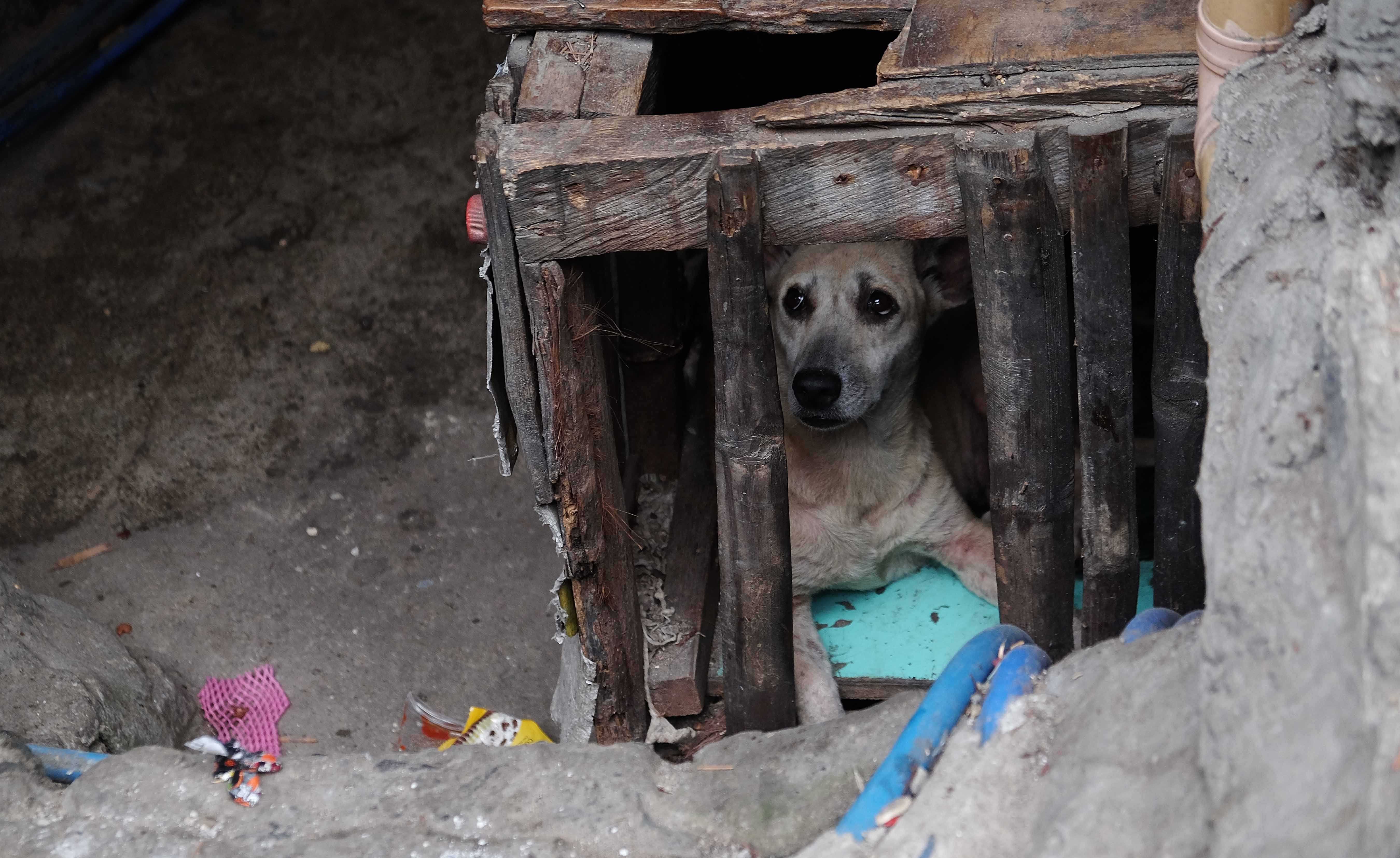
“We aim to lessen animal abuse and abandonment by controlling dog and cat populations — the most humane way possible.”
— PPBCC Foundation
The growing population of stray dogs and cats in the Philippines presents a serious challenge that affects communities, public health, and the animals themselves. Without intervention, these numbers rise rapidly, leading to increased cases of neglect, malnutrition, and suffering. Addressing this issue requires a compassionate and practical approach that goes beyond temporary fixes. By focusing on long-term solutions that target the root cause, communities can create safer and healthier environments for both people and animals, paving the way toward a more balanced coexistence.
Spaying and neutering is widely recognized as the most effective and humane method of controlling companion animal populations. These routine veterinary procedures prevent unplanned litters and reduce the number of animals that end up abandoned or living on the streets. Beyond population control, neutering also offers behavioral and health benefits, such as lowering the risk of certain cancers and reducing roaming or aggressive tendencies. When performed by qualified professionals, these procedures are safe and contribute significantly to the overall welfare of dogs and cats.
Community outreach plays a vital role in making spay and neuter services accessible to pet owners who might otherwise be unable to afford them. By organizing missions and clinic events in various locations, organizations can reach underserved areas and provide essential veterinary care directly to those who need it most. These efforts rely on collaboration between veterinarians, volunteers, and local advocates who share a common goal. Each outreach event brings the vision of a rabies-free and humane Philippines one step closer to reality.
Education is a cornerstone of lasting change in animal welfare. Many cases of neglect and abandonment stem from a lack of awareness about responsible pet ownership and the importance of population control. Through information campaigns and community conversations, people learn about the benefits of neutering, proper animal care, and disease prevention. When individuals understand how their actions affect the broader ecosystem of humans and animals, they are more likely to make informed and compassionate choices that benefit the whole community.
The link between rabies prevention and dog population management cannot be overstated. Rabies remains a serious public health concern in many parts of the country, and free-roaming dogs are often at the center of transmission risks. Mass neutering programs, combined with vaccination efforts, tackle the problem at its source by stabilizing and gradually reducing stray populations. A coordinated approach that includes both veterinary intervention and public education offers the most promising path toward eliminating rabies as a threat.
Trap-Neuter-Vaccinate-Return programs, often referred to as TNVR, represent a structured and ethical method for managing free-roaming dog and cat populations. Animals are humanely trapped, sterilized, vaccinated against rabies, and then returned to their original locations. This approach respects the territorial nature of these animals while preventing reproduction and improving their health. Over time, TNVR leads to smaller, healthier, and more manageable colonies without resorting to inhumane or ineffective measures.
Fundraising and donations form the backbone of nonprofit animal welfare work. Every contribution, whether large or small, helps cover the cost of surgical supplies, medicines, transportation for outreach missions, and the operation of clinic facilities. Sustained support from donors allows organizations to plan long-term programs and respond to urgent needs as they arise. Transparency and accountability in how funds are used help build trust and encourage ongoing participation from a community that cares deeply about animal welfare.
Volunteer involvement amplifies the impact of any advocacy organization. From assisting during clinic days and helping with animal transport to spreading awareness online and within neighborhoods, volunteers bring energy and dedication that money alone cannot replace. Their firsthand experiences with rescued animals and successful neutering campaigns often become powerful stories that inspire others to join the cause. A strong volunteer network creates a ripple effect of compassion that extends far beyond any single event or program.
The vision of a society where humans and animals coexist positively drives every aspect of companion animal welfare advocacy. This vision goes beyond simply reducing numbers; it encompasses a broader cultural shift toward kindness, responsibility, and respect for all living beings. By creating systems that support pet owners, address overpopulation humanely, and protect public health, communities can build a future where neglect and abandonment become rare exceptions rather than widespread problems.
Every neutered animal represents a tangible step toward meaningful change. The cumulative effect of thousands of procedures performed over time results in fewer homeless animals, reduced strain on shelters and rescue groups, and healthier neighborhood environments. Stories from the field consistently show how a single spay or neuter procedure can transform the life of an animal and ease the burden on its caretaker. These individual successes, multiplied across communities, form the foundation of a nationwide movement for animal welfare.